
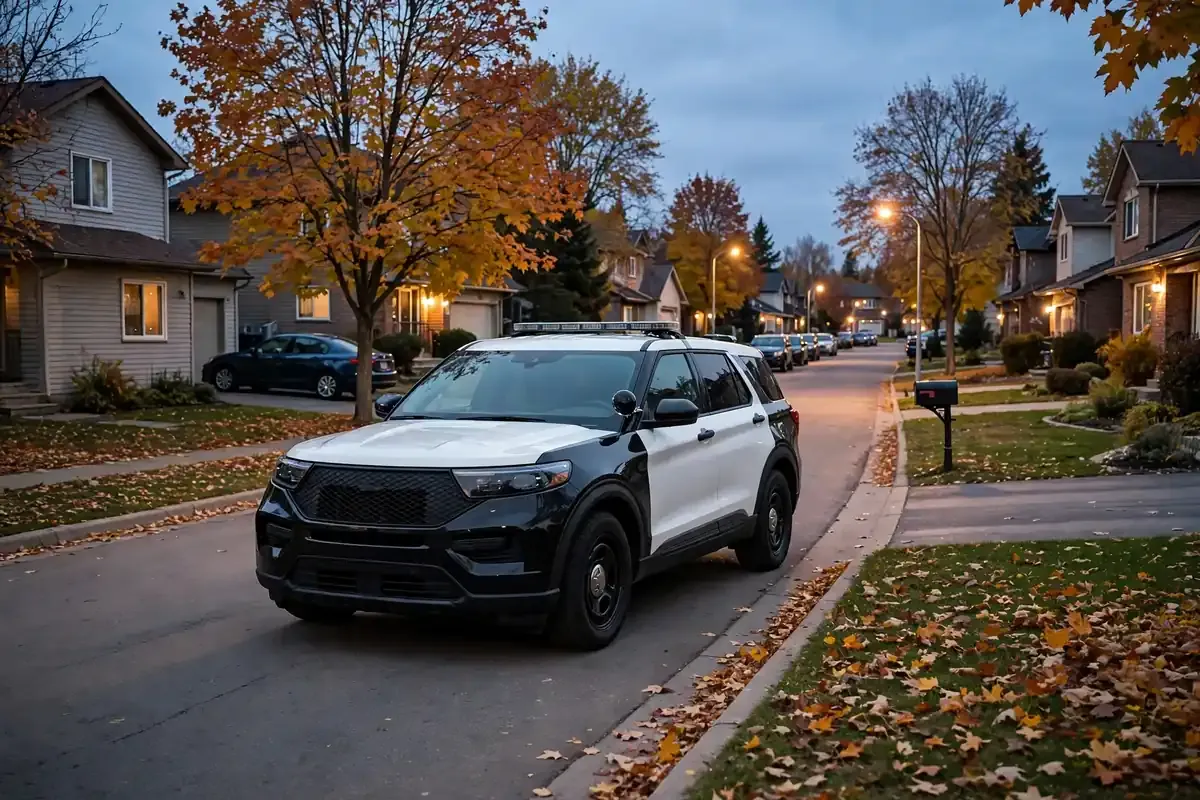
It starts with one email thread on your street. Someone in Glenora notices a van circling the block at 2 a.m.; three doors down, a garage was broken into the night before. Within a week, half the street is asking the same question: should we start a Neighbourhood Watch, or should we pay for patrols? It is one of the most common questions Canadian Shield Security hears from Edmonton homeowners, and the honest answer is that each option wins in a different situation.
A Neighbourhood Watch is free, community-run and built on people who notice things. Professional patrol is a paid service with licensed guards, marked vehicles and scheduled rounds. They are not really the same product, so comparing them only makes sense when you know what each one can and cannot do. Our neighbourhood patrol services exist precisely because many streets want more than watchfulness alone.
This guide compares both options head to head: how the Edmonton Neighbourhood Watch Program Society works, what a professional patrol round actually includes, how the two differ on cost, coverage, response and deterrence, and where they work best together. The facts below come from the Edmonton Police Service, the Alberta government licensing pages and what our guards see on residential routes across the metro.
Neighbourhood Watch wins on cost and community eyes, while professional patrol wins on coverage, response and deterrence. For most Edmonton streets, the strongest setup is both: a Neighbourhood Watch that reports suspicious activity and licensed patrols that show up, check properties and respond through the night when residents are asleep or away.
How Neighbourhood Watch Works in Edmonton
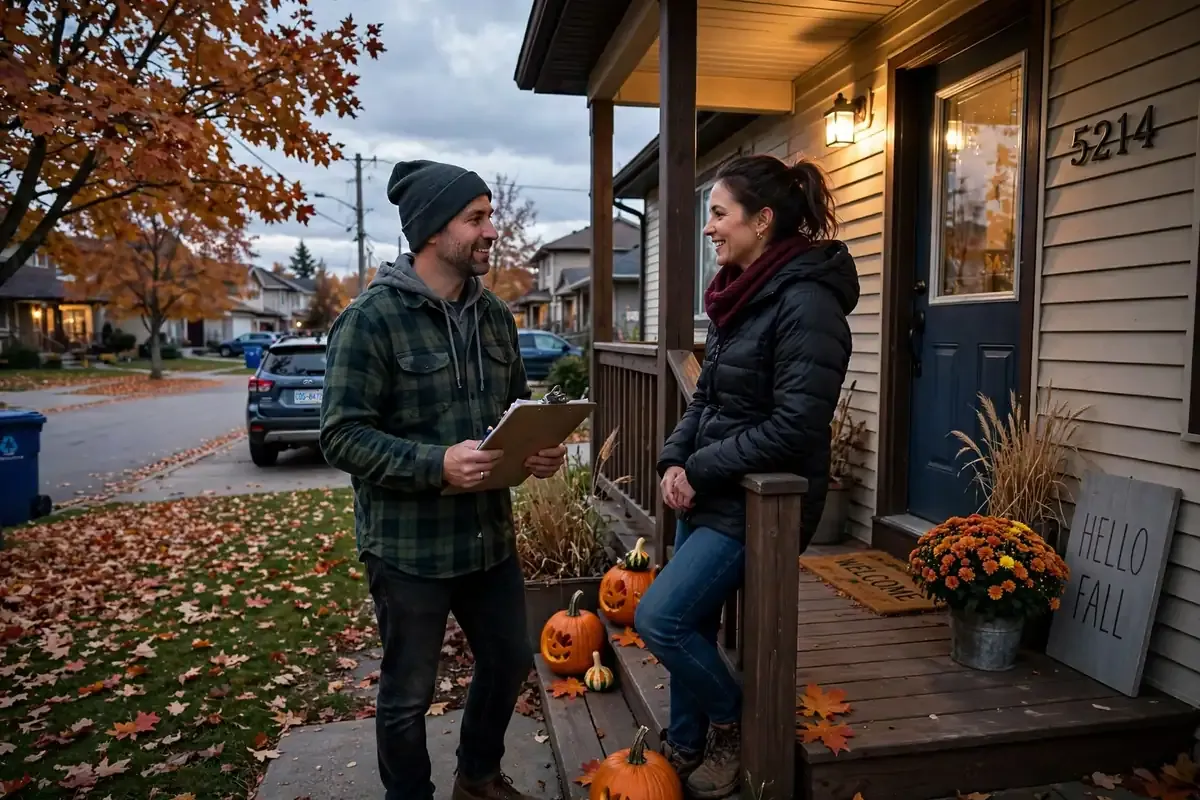
The Edmonton Neighbourhood Watch Program Society is a not-for-profit, charitable volunteer organization that describes its members as the eyes and ears of the community. Neighbours agree to watch out for each other, note unfamiliar vehicles or people, and report suspicious activity to the police. The Edmonton Police Service supports the program, and communities across the city -- Grovenor recently reactivated its local program -- use it to keep an eye on the usual complaints: garage break-ins, vehicle break-ins, graffiti and nuisance properties.
Getting involved costs nothing but attention. An official program is organized through a community league, with a Community Representative or Neighbourhood Watch Ambassador as the contact, and the society provides free training, signs, door stickers and crime prevention handouts. That visibility matters: a street with watch signs tells a prowler that people here notice things, and neighbours who talk to each other spot strangers faster than any camera. The Edmonton Police Service lists how to join or start a local group.
What Professional Patrol Actually Does
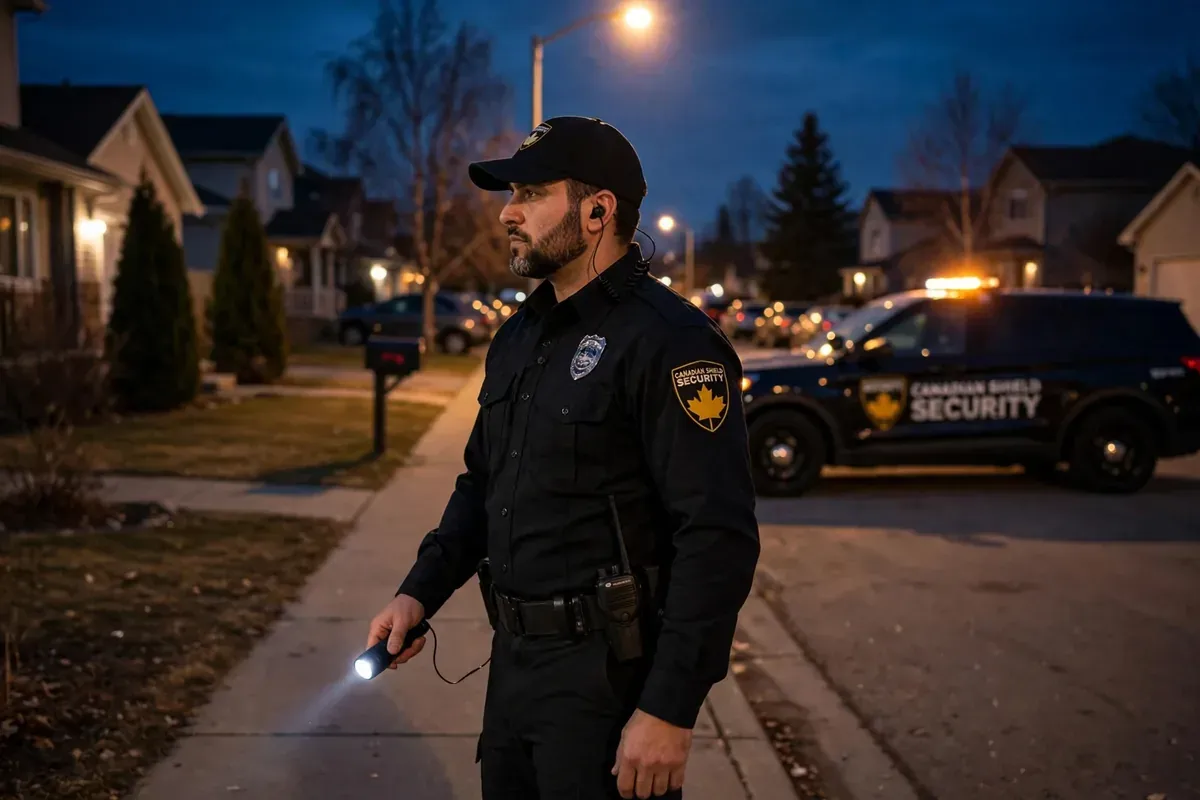
A professional patrol is a guard service, and in Alberta that means licensing. Every guard on duty must hold a security service worker licence under the Security Services and Investigators Act (Alberta), issued by Alberta Justice -- 18 or older, no criminal record, an approved training course and a provincial exam scored 80% or higher. When you hire patrols, you are buying trained, background-checked people, not just a presence. Our mobile patrol service covers this ground in detail.
On a typical residential round, a guard drives or walks a set route at irregular times so patterns stay unpredictable, checks doors, garages and windows, looks for forced entry or open gates, challenges strangers politely and logs everything with time-stamped notes and photos. Marked vehicles add the deterrent a watch cannot buy: most thieves choose the next street instead of one with a security SUV under a streetlight. Patrols run through the night and in bad weather, when volunteers are understandably home in bed.
Head to Head: Watch vs Patrol
The honest way to compare them is by the job you need done. A watch is observation and reporting by unpaid neighbours; a patrol is scheduled checking and response by licensed guards. The table below lines up the differences that matter most to homeowners, using the same categories our estimators walk through during a free site review.
| Category | Neighbourhood Watch | Professional Patrol |
|---|---|---|
| Cost | Free -- run by volunteers and community leagues | Paid service, priced by area size and patrol frequency |
| Coverage | Daytime and evenings, when neighbours are around | 24/7 rounds, including late night and bad weather |
| Response | Members observe and report to police | Guards attend, check properties and document incidents |
| Deterrence | Signs and watchful neighbours discourage opportunists | Marked vehicles and uniforms raise the risk for thieves |
| Training | Free crime-prevention training from the society and EPS | Licensed under SSIA, approved course plus 80% provincial exam |
| Best for | Tight-knit streets with active residents | Quiet streets, frequent travelers, repeat break-in areas |
| Weak spot | Participation fades, no night coverage | Costs money and covers set routes, not every driveway |
Notice the pattern: the watch is strongest where the patrol is weakest. Volunteers know their street -- who belongs, which cars are new, which garage has been half open for a week. Guards cover the hours and the tasks volunteers cannot: late-night checks, confronting strangers, logging incidents properly. That is why the comparison is rarely either-or. The question is usually which one your street is missing.
Where Neighbourhood Watch Falls Short
Watch programs depend on people, and people are inconsistent. Participation fades after the first scare passes, a few households carry the whole effort, and coverage has gaps -- workdays, vacations, winter nights when nobody is on the sidewalk. Volunteers also have limits they should respect: the society trains members to observe and report, not to confront or follow anyone. A suspicious vehicle at midnight still means a call to the EPS non-emergency line, 780-423-4567, or 911 if a crime is happening.
Deterrence is the other gap. A watch sign may discourage a casual opportunist, but a determined thief looks for something harder to pass up. Garage break-ins -- the complaint that starts so many watch conversations -- happen in minutes, usually in the dark. By the time a neighbour notices and calls, the door is already open. If your street has already tried a watch and the incidents kept coming, that is your signal that the free option has reached its limit. Our home break-in prevention guide covers the fixes homeowners can make right away.
When Professional Patrol Is the Right Call
Consider patrols when any of these sound familiar. Your street is quiet at night with few people around to notice anything. Break-ins or vehicle thefts have happened more than once in a season. Residents travel often and leave homes empty for weeks. You have already joined a watch and still feel exposed. Or you simply want someone checking doors and garages while everyone sleeps -- the kind of steady presence that changes which street a thief picks.
For homeowners, the patrol advantage compounds over time. Regular rounds build a log of what is normal on your street, so the abnormal stands out -- a gate that is always locked but tonight is not, a car with its lights off behind the alley fence. Combined with monitored cameras at key entry points, patrols turn your street from an easy target into a hard one. And because guards are licensed and trained, they can act on what they find: approach, question, document and escalate to police with proper notes.
The Combination Most Streets Land On
In practice, most Edmonton streets that take safety seriously end up with both. The watch provides free daily eyes and the social side -- neighbours who know each other and share alerts in the community chat. The patrol provides the backbone: marked rounds through the night, incident logs and a guard who can be on scene when it matters. If you are deciding where to start, start with the watch -- it costs nothing. When the limits show, add patrols to cover them. That is the pairing our guards see working best across the city.
Are professional patrol guards licensed in Alberta?
Yes. Under the Security Services and Investigators Act (Alberta), every guard must hold a security service worker licence from Alberta Justice. Applicants must be 18+ with no criminal record, complete an approved training course and score at least 80% on the provincial exam. The $100 licence lasts two years, so guards on your street are background-checked, trained and accountable.
How much does professional patrol cost in Edmonton?
It depends on the area covered, rounds per night and whether patrols are shared among neighbours or dedicated to one property. Neighbourhood Watch is free, so most streets compare the quote against the cost of one break-in -- repairs, deductibles and the feeling of being watched. A free site review gives you an exact number.
Which Edmonton neighbourhoods does Canadian Shield Security patrol?
We run residential patrols across Edmonton and the surrounding communities, including St. Albert, Sherwood Park, Spruce Grove, Leduc, Beaumont and Nisku. Routes are planned around the streets we serve, so neighbouring households often share a route and split the cost. If your area is not yet covered, a call tells us where demand is growing.
How do I start a Neighbourhood Watch in my Edmonton community?
Start with your community league, which can connect you with the Edmonton Neighbourhood Watch Program Society. You will need a Community Representative or Neighbourhood Watch Ambassador to organize the group, and the society provides free training, signs, door stickers and program materials. The Edmonton Police Service also supports the setup and can advise on the first steps.
What should I do if I see a suspicious person on my street at night?
Observe from a safe distance and note details: description, clothing, vehicle plate, direction of travel. Do not confront or follow. Call the EPS non-emergency line at 780-423-4567 for suspicious activity, or 911 if a crime is in progress. If your street has professional patrols, the guard can attend and check while you stay safe inside.
Canadian Shield Security Editorial Team, Edmonton, Alberta
Canadian Shield Security serves Edmonton 24/7. Free consultation -- no hidden fees. Call 1 (800) 326-7879 or request a free consultation.
